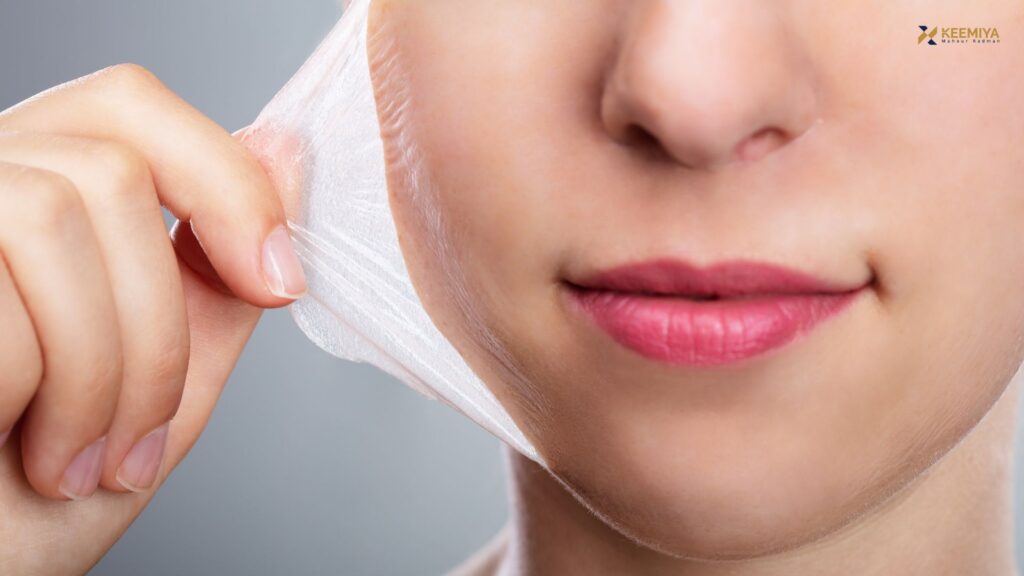
In recent years, the skincare and aesthetic industry has witnessed a clear shift toward gentler, biologically driven solutions. One of the most notable trends is the increasing use of enzymes instead of traditional chemical agents for skin peeling and exfoliation. This transition reflects both consumer demand for safer skincare and advances in cosmetic science.
Why Skin Peeling Matters
Skin peeling, or exfoliation, is a fundamental step in skincare routines and professional treatments. By removing dead cells from the skin surface, peeling helps to:
- Improve skin texture and brightness
- Enhance penetration of active ingredients
- Support healthy skin renewal
- Reduce dullness and roughness
Historically, these benefits were achieved mainly through chemical peels, particularly acids such as glycolic acid, lactic acid, salicylic acid, or stronger agents like TCA.
Limitations of Chemical Peels
While chemical peels are effective, they are also associated with inherent limitations and risks, especially when used frequently or incorrectly:
- Skin irritation and burning sensation
- Inflammation and redness
- Post-inflammatory hyperpigmentation (PIH)
- Downtime and recovery periods
- Seasonal limitations (sun sensitivity)
As consumers become more informed and cautious, demand has grown for alternatives that deliver exfoliation with fewer side effects.
The Rise of Enzyme-Based Peeling
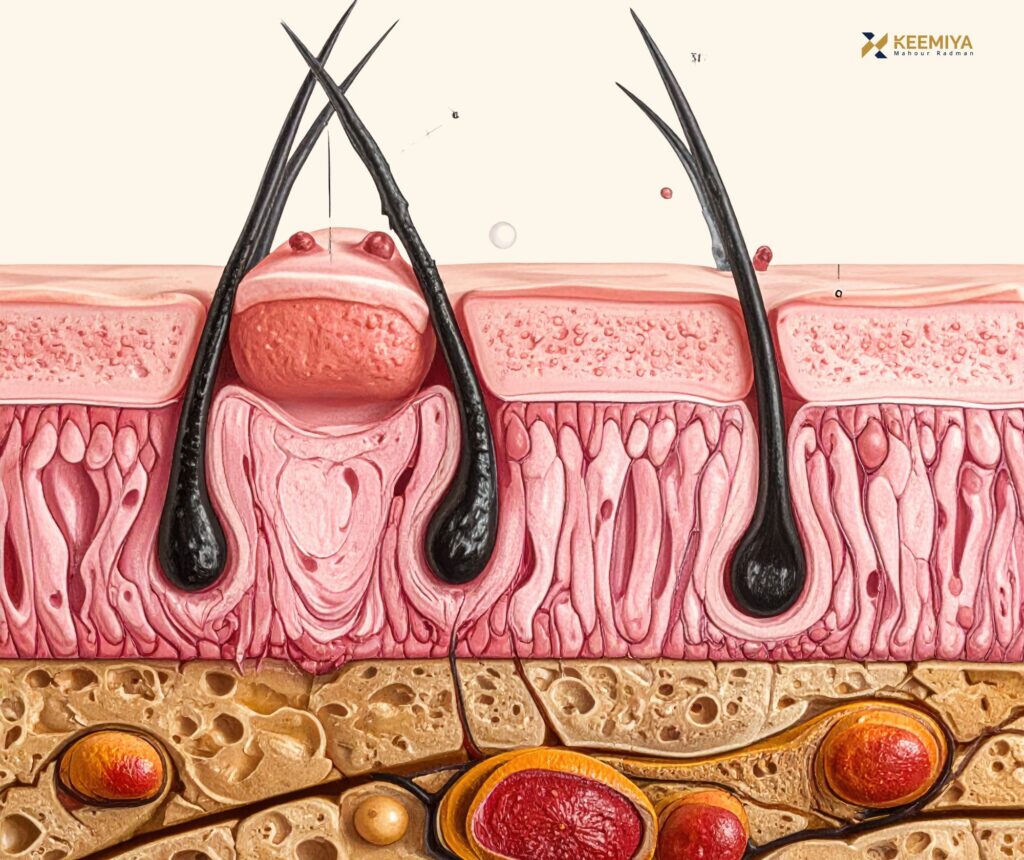
Enzyme peeling represents a biological approach to exfoliation. Instead of relying on acidic injury, enzyme peels use proteolytic enzymes to gently break down proteins in the stratum corneum, the outermost, non-living layer of the epidermis.
Commonly used enzymes include:
- Papain (from papaya)
- Bromelain (from pineapple)
- Ficin (from fig)
- Pumpkin enzymes
- Keratinase (for targeted, stronger exfoliation)
These enzymes selectively act on dead skin cells, promoting natural desquamation without damaging living tissue.
How Enzyme Peeling Differs from Chemical Peeling
The fundamental difference lies in the mechanism of action:
- Chemical peels induce controlled injury to the epidermis (and sometimes dermis) to stimulate regeneration.
- Enzyme peels work by digesting proteins that hold dead skin cells together, without triggering inflammation.
As a result, enzyme peeling is:
- Less aggressive
- Better tolerated by sensitive skin
- Suitable for frequent or routine use (depending on formulation)
Keratinase: A New Dimension in Enzyme Peeling
Beyond traditional cosmetic enzymes, keratinase has gained attention in professional skincare. Keratinase is a keratin-specific enzyme capable of breaking down more rigid, highly cross-linked keratin structures.
Because of its higher activity:
- Keratinase is typically used at low concentrations
- Often reserved for professional or controlled applications
- Particularly useful for thickened or hyperkeratotic skin
This reflects a broader trend: enzyme peeling is no longer limited to mild exfoliation, but can be tailored to different skin needs while remaining non-chemical in nature.
Why Consumers and Brands Prefer Enzymes
Several factors are driving the popularity of enzyme-based exfoliation:
1. Safety and Tolerability
Enzyme peels primarily target the non-living stratum corneum, reducing the risk of burns, irritation, and pigmentation issues.
2. Compatibility with Sensitive Skin
Enzymes are suitable for:
- Sensitive or reactive skin
- Rosacea-prone individuals
- Darker skin types with higher PIH risk
3. No Downtime
Most enzyme peels require no recovery period, making them ideal for modern lifestyles.
4. Clean Beauty and Biotech Appeal
Enzymes align with:
- Clean beauty concepts
- Biotechnology-based innovation
- Sustainability and nature-inspired formulations
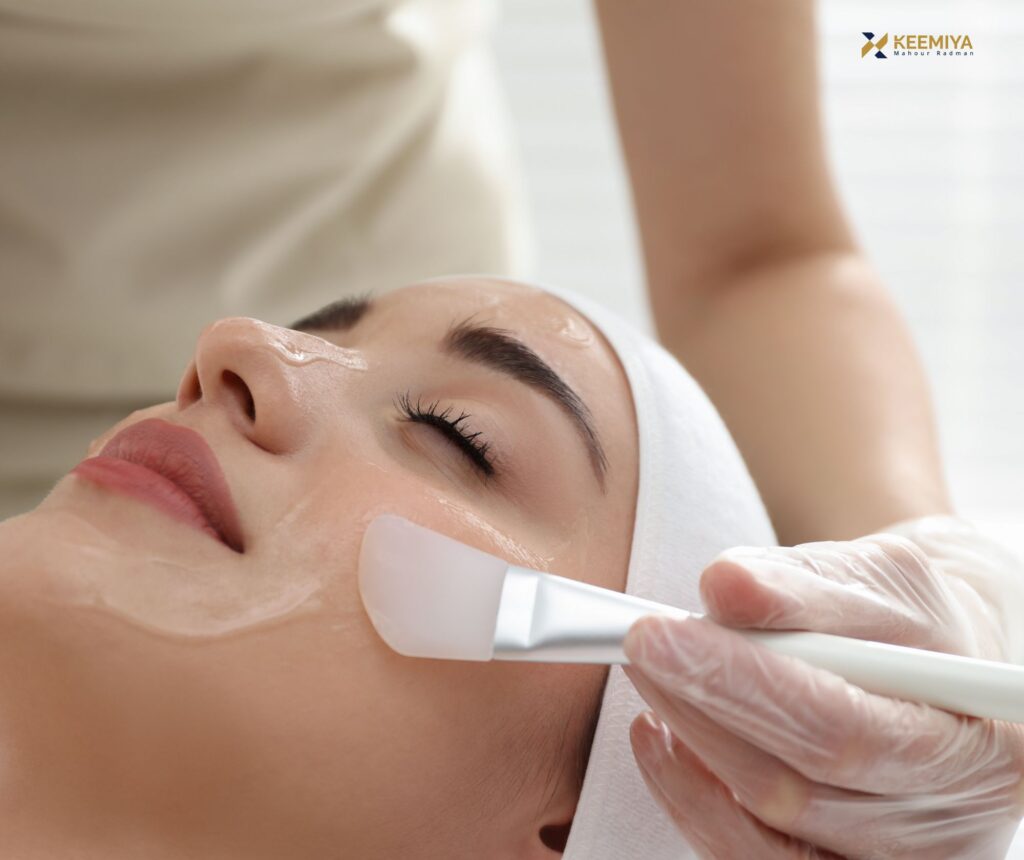
Enzyme Peeling in Modern Skincare Protocols
Today, enzyme peeling is widely used:
- As a stand-alone exfoliation method
- As a pre-treatment step before chemical peels, microneedling, or laser procedures
- In home-use products such as enzyme cleansers and masks
- In professional protocols with higher-strength or activated enzyme systems
Rather than replacing chemical peels entirely, enzyme peeling often complements them, allowing more customized and skin-friendly treatment strategies.
Conclusion: A Shift Toward Intelligent Exfoliation
The growing preference for enzyme-based skin peeling reflects a broader movement toward intelligent, biology-driven skincare. By offering effective exfoliation with lower risk and better tolerability, enzymes provide a compelling alternative to traditional chemical peels.
As formulation science advances and enzyme technology becomes more refined, enzyme peeling is expected to play an increasingly central role in both consumer skincare routines and professional aesthetic treatments.