Elaheh Mohagheghi

rollability in toast

Rollability and Bending of Toast Bread (Understanding the Three Core Mechanisms and the Role of Enzymes)

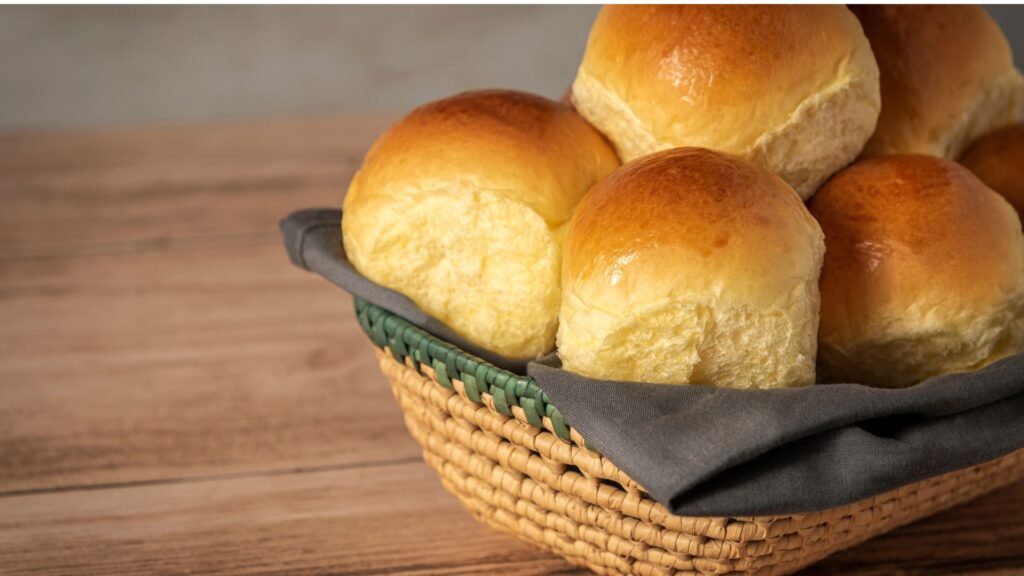
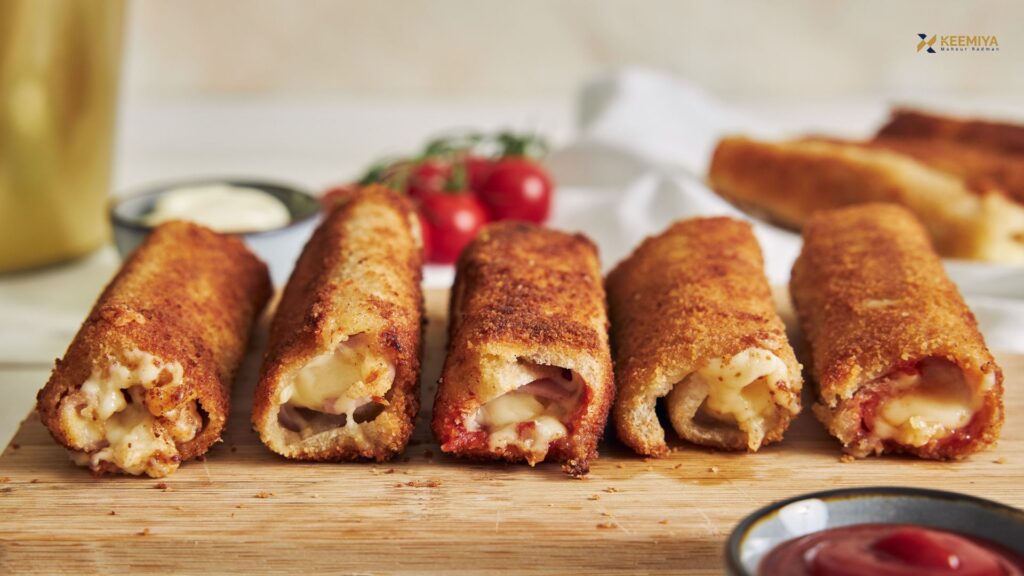
Rollability and bending performance are critical quality attributes for toast breads used in wraps, rolled sandwiches, and folded applications. Many formulations deliver excellent loaf volume, softness, and appearance, yet fail during rolling — tearing instead of bending smoothly. This failure is often misunderstood. Rollability is not controlled by a single ingredient or enzyme, but by […]


Rollability and Bending of Toast Bread (Understanding the Three Core Mechanisms and the Role of Enzymes) Read More »

croissant enzymes

The Biggest Challenge in Croissant Production – and How Enzymes Solve It

Croissants are a benchmark product for technical baking skill. Their quality depends on a fragile balance between dough rheology, lamination integrity, fermentation control, and freshness. Small deviations in flour quality, processing energy, temperature, or fermentation can cause major defects including layer breakage, butter leakage, poor oven spring, dense or collapsed crumb and inconsistent batch-to-batch quality.

The Biggest Challenge in Croissant Production – and How Enzymes Solve It Read More »

skincare and beauty trend

Top Beauty Trends Transforming Skincare and Personal Care

The beauty and personal care industry is evolving rapidly as consumers demand more than basic cosmetic benefits. Modern beauty products are expected to deliver visible skincare results, long-term skin health, and enhanced sensory experiences, while also aligning with clean, ethical, and wellness-driven values. From peptide-infused formulations and multifunctional products to men’s grooming innovations and sensory

Top Beauty Trends Transforming Skincare and Personal Care Read More »

enzymatic skin peeling

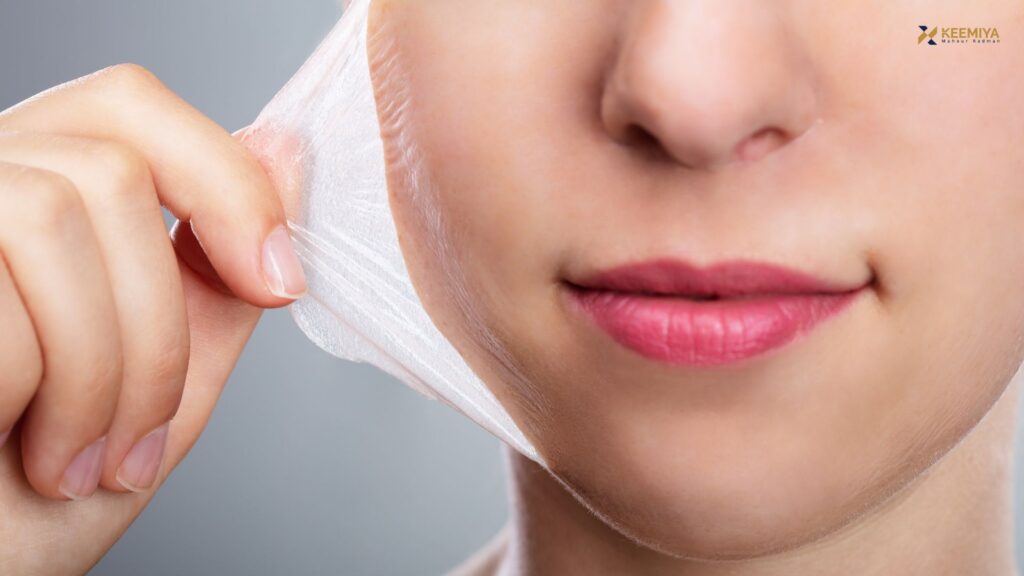
The Growing Trend of Enzyme-Based Skin Peeling: A Gentle Alternative to Chemical Exfoliation

In recent years, the skincare and aesthetic industry has witnessed a clear shift toward gentler, biologically driven solutions. One of the most notable trends is the increasing use of enzymes instead of traditional chemical agents for skin peeling and exfoliation. This transition reflects both consumer demand for safer skincare and advances in cosmetic science. Why

The Growing Trend of Enzyme-Based Skin Peeling: A Gentle Alternative to Chemical Exfoliation Read More »

Corn lipid

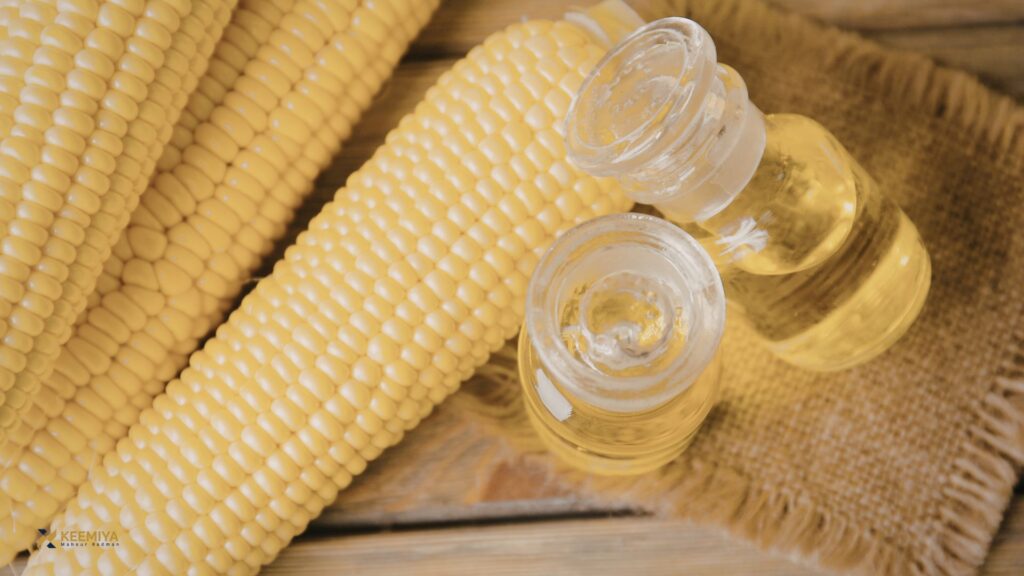
Small Lipids, Big problems: Managing Corn Starch Lipids in Sweetener & Maltodextrin Production

In industrial corn starch processing for dextrose, glucose syrups, HFCS, and maltodextrins, starch purity is often quoted as >99.5%. Yet a small remaining fraction — lipids typically present at only 0.3–0.8% of starch dry solids — can exert a disproportionately large effect on process stability and product quality. These lipids influence: Understanding which lipids are

Small Lipids, Big problems: Managing Corn Starch Lipids in Sweetener & Maltodextrin Production Read More »

Staling and maltogenic enzyme

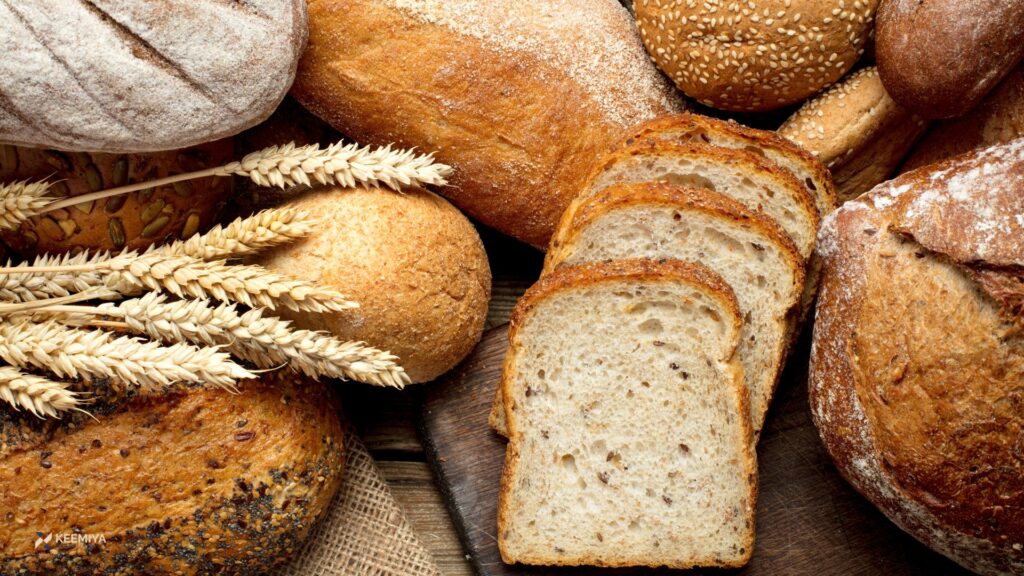
Why Bread Gets Stale — And How Maltogenic Amylase Extends Freshness

Contrary to popular belief, bread does not stale because it “dries out.” Staling is a molecular process involving starch — mainly the retrogradation of amylopectin. What is Starch Retrogradation? During baking, starch gelatinizes (absorbs water, swells, and loses crystalline order).Once bread cools: This crystallization: Retrogradation = the main cause of bread staling. Because this is

Why Bread Gets Stale — And How Maltogenic Amylase Extends Freshness Read More »

role of enzymes in dough and baking

How Enzymes Transform Dough

Modern baking is no longer only an art — it is a controlled biochemical process where enzymes are the driving force behind dough development, fermentation, texture, volume, color, and shelf life.While flour naturally contains some enzymes, advanced baking relies on specific added enzymes that target starch, gluten, lipids, polysaccharides, and dough rheology. Why Enzymes Matter

How Enzymes Transform Dough Read More »

Understanding Amylases in Wheat Flour and Their Essential Role in Baking

Behind every soft, fluffy loaf of bread or golden-brown croissant lies a powerful natural catalyst — amylase.Amylases are enzymes that break down starch into smaller sugar molecules, providing essential fuel for yeast fermentation and helping bakers achieve consistent quality, volume, and flavor. While wheat naturally contains some amylases, their quantity and activity vary — and

Understanding Amylases in Wheat Flour and Their Essential Role in Baking Read More »

Inside the Dough: How Xylanases Are Revolutionizing Industrial Bread Production

“Discover how xylanases are transforming industrial bread production. Learn how bacterial and fungal xylanase enzymes improve dough handling, bread volume, texture, and freshness in modern bakeries”. In the rapidly evolving world of industrial baking, enzymes have become essential tools for achieving consistency, efficiency, and superior quality. Among them, xylanases are transforming how dough behaves and

Inside the Dough: How Xylanases Are Revolutionizing Industrial Bread Production Read More »

enzymes in biscuits and crackers

How Enzymes Like Fungal Alfa Amylase, Protease, Xylanase and Phospholipase Are Replacing Chemicals in Semi-Sweet Biscuits

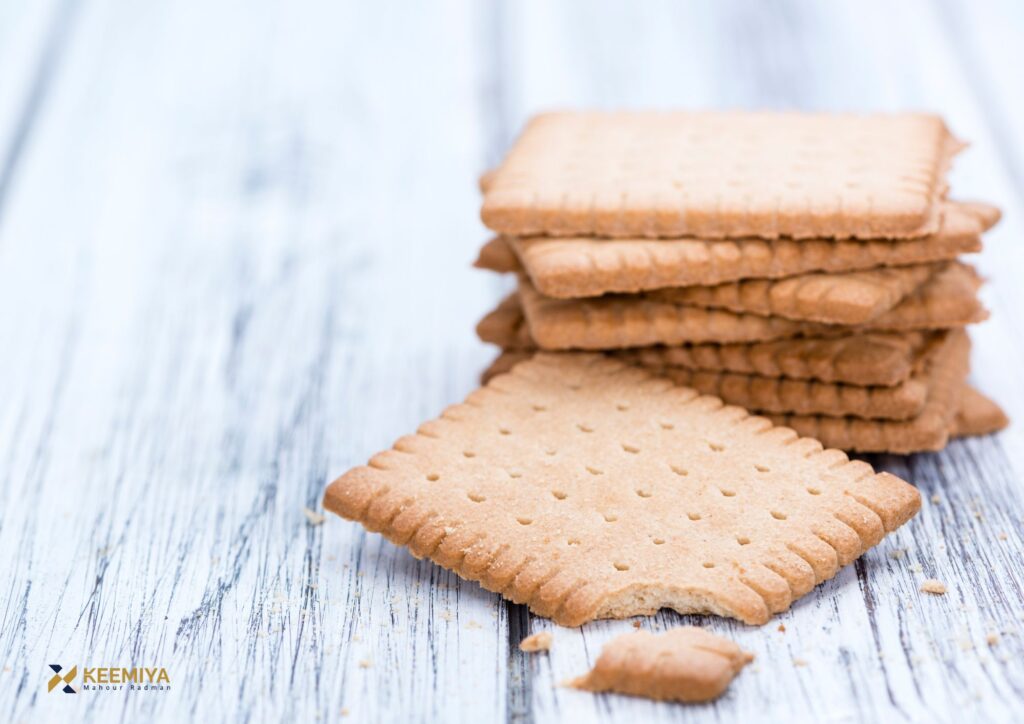
Discover how baking enzymes such as protease, xylanase, and phospholipase are transforming semi-sweet biscuit and cracker production by replacing chemical additives with natural, efficient, and clean-label solutions. The Shift Toward Clean-Label Baking Modern bakeries face strong consumer demand for clean-label products—foods made with fewer chemicals and more natural ingredients.In semi-sweet biscuits and crackers, chemical emulsifiers,

How Enzymes Like Fungal Alfa Amylase, Protease, Xylanase and Phospholipase Are Replacing Chemicals in Semi-Sweet Biscuits Read More »