

In industrial corn starch processing for dextrose, glucose syrups, HFCS, and maltodextrins, starch purity is often quoted as >99.5%. Yet a small remaining fraction — lipids typically present at only 0.3–0.8% of starch dry solids — can exert a disproportionately large effect on process stability and product quality.
These lipids influence:
- Turbidity and phase stratification in saccharification tanks
- Foam generation in liquefaction, saccharification, and evaporation stages
- Filter cake permeability and filtration throughput
- Fouling of heat transfer surfaces and spray dryers
- Powder behavior in maltodextrin manufacture
Understanding which lipids are present, how they enter the starch stream, and what their functional impact is provides critical leverage for reliable process optimization.
Lipid Sources in Corn Starch Processing
1. Lipids in the Whole Corn Kernel
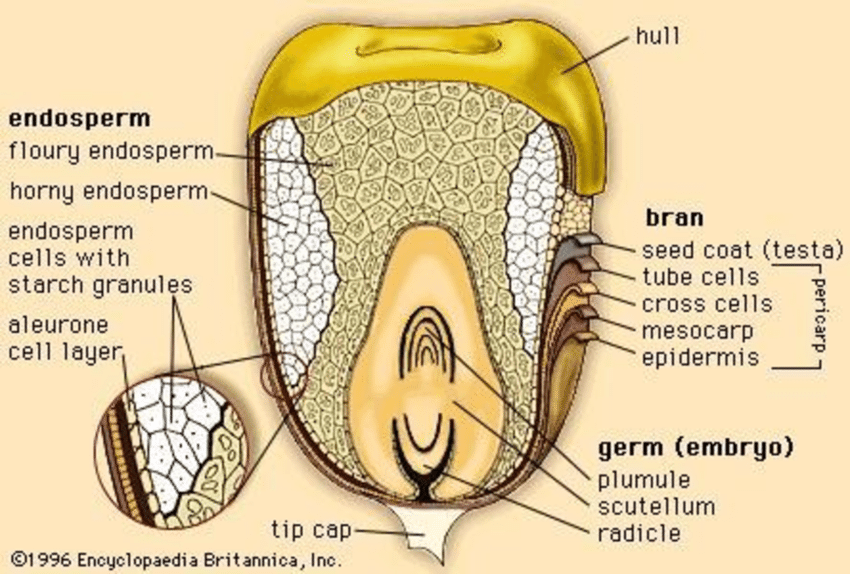
Whole corn contains 3–5% total lipids, predominantly concentrated in the germ. These include:
- Triacylglycerols (neutral oil) – energy storage lipids
- Phospholipids – membrane components (PC, PE, PI)
- Small amounts of sterols and glycolipids
During wet milling, most germ oil is removed with the germ fraction. However, complete lipid separation is not achieved, and a small fraction of lipids remains associated with starch and protein streams.
2. Lipids Entering the Starch Stream
After degerming, fiber removal, and protein separation, the starch stream usually still carries:
- Typical: 0.3–0.6% of starch dry solids
- High: up to 1.0% or more in less optimized separations
Approximate lipid composition in refined starch
| Lipid Class | Share of Residual Lipid |
|---|---|
| Neutral lipids (TAG, DAG, MAG, FFA) | 60–70% |
| Phospholipids (PC, PE, PI) | 10–20% |
| Lysophospholipids | 1–5% |
| Glycolipids | 2–5% |
| Granule-bound amylose–lipid complexes | Significant but hard to extract |
Although neutral lipids make up most of the mass, phospholipids and lysophospholipids are the dominant drivers of processing problems due to their strong surface activity.
Where Corn Lipids Reside
Corn lipids exist in two principal locations:
1. Surface & Free Lipids
- Neutral germ oil droplets
- Phospholipids and glycolipids associated with protein fines and starch surfaces
These lipids drive:
- Emulsion formation
- Foam stabilization
- Sticky filter cakes
2. Internal Granule Lipids
Inside starch granules:
- Lysophospholipids and free fatty acids reside in internal channels.
- They form amylose–lipid inclusion complexes, which reduce starch swelling and enzyme accessibility during processing.
Internal lipids are not easily removable by mechanical separation and become chemically active only once starch gelatinizes in liquefaction.
Process Impacts in Sweetener & Maltodextrin Production
1. Slurry Preparation & Liquefaction
- Internal amylose–lipid complexes restrict starch swelling.
- Slightly slower or incomplete liquefaction may occur.
- Released surface lipids create scum and foaming under high temperature.
2. Saccharification
- Lipid-stabilized fines cause layering in saccharification tanks:
- Clear top layer
- Turbid middle suspension
- Dense solids sludge at the base
- Emulsion-stabilized particles remain colloidal and do not settle.
- This does not typically reduce DE but does compromise filtration performance.
3. Filtration & Clarification
- Lipid-coated solids form compact, low-permeability filter cakes.
- Differential pressure rises sharply.
- Filtration capacity drops.
- Breakthrough turbidity can occur during cake polishing.
4. Evaporation & Drying
- Foam formation in evaporators.
- Sticky surface deposits.
- For maltodextrin plants:
- Spray-dryer fouling
- Reduced powder flowability
- Increased caking tendency
Which Lipids Cause the Most Trouble?
| Lipid Type | Principal Processing Impact |
|---|---|
| Neutral lipids (TAG) | Scum, deposits; limited emulsification |
| Phospholipids | Major emulsifiers – responsible for turbidity, filter cake tightening, stable foams |
| Lysophospholipids | Extremely strong emulsifiers – stabilize colloids and haze |
| Glycolipids | Foam and haze reinforcement |
| Amylose-lipid complexes | Reduced enzymatic starch accessibility |
Phospholipids and lysophospholipids are the principal problem drivers despite their low mass fraction.
Mitigation Strategies
1. Mechanical & Process Controls (First Line of Defense)
Before considering enzymatic tools:
- Optimize germ separation
Reduces neutral oil and phospholipid carryover. - Improve starch washing stages
Removes surface lipid–protein complexes. - Clarification or skimming tanks
Allow coalesced oil to be removed where residence time and temperature permit.
These steps reduce lipid load without recurring enzyme cost.
2. Enzymatic Solutions for Corn
Lysophospholipase (LysoPL)
- Included in modern glucoamylase blends.
- Hydrolyzes lysophospholipids into non-emulsifying products.
- Results:
- Reduced colloid stability.
- Improved filtration clarity.
- Lower ΔP.
This treatment alone is often sufficient for well-optimized corn starch plants.
Lysophospholipid + H₂O → Glycerophosphoryl compound + Free fatty acid (FFA)
Phospholipase (PL) Pretreatment
Lysophopholipase hydrolyzes phospholipids to disrupt starch–oil–protein interfacial bonds and destabilize stubborn emulsions before liquefaction. But it is applied when:
- There is persistent turbidity in saccharification tanks.
- There is chronic foaming or scum formation.
- Filtration capacity becomes a bottleneck despite good mechanical separation.
This approach improves filter cake permeability and foam control but must always be validated through small-scale plant trials for economic justification.
Phospholipid + H₂O → Lysophospholipid + Free fatty acid (FFA)
Conclusion
In corn starch processing, 0.3–0.8% residual lipids—particularly phospholipids and lysophospholipids—are the hidden drivers of turbidity, foaming, and filtration limitations.
The most effective strategy remains:
- Optimize upstream mechanical separation.
- Utilize saccharification enzymes containing lysophospholipase activity.
- Apply phospholipase pretreatment only when lipid-related performance issues remain economically limiting.
- Avoid lipase-based treatments, which usually worsen emulsification.
A small focus on lipid management often delivers large gains in filtration capacity, fouling control, and product clarity, particularly in maltodextrin lines.