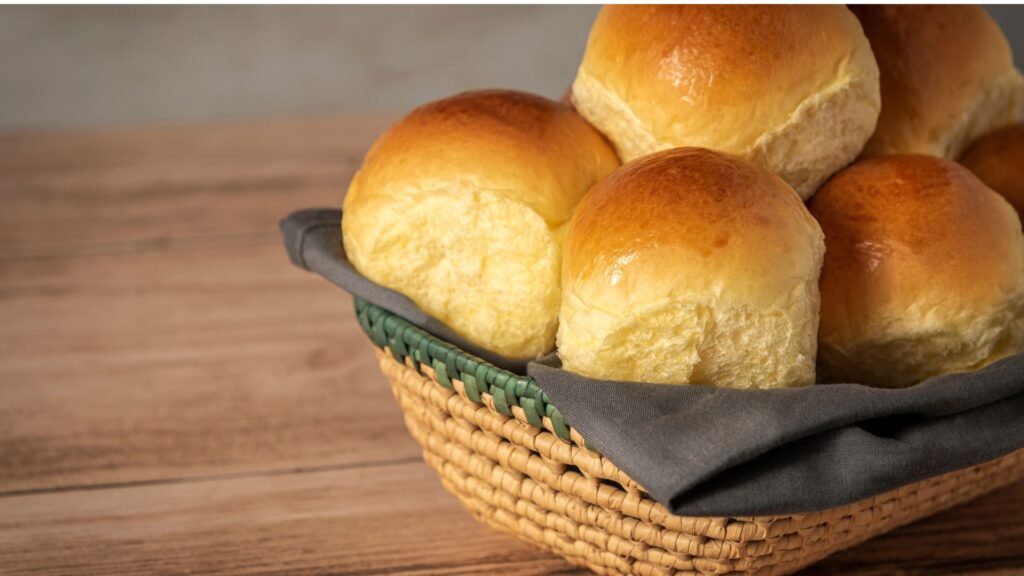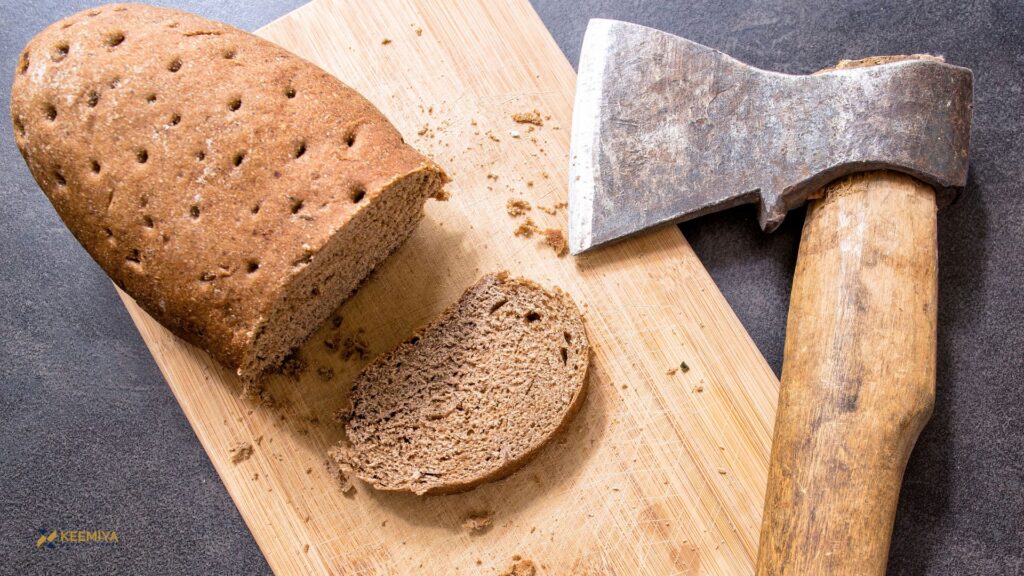
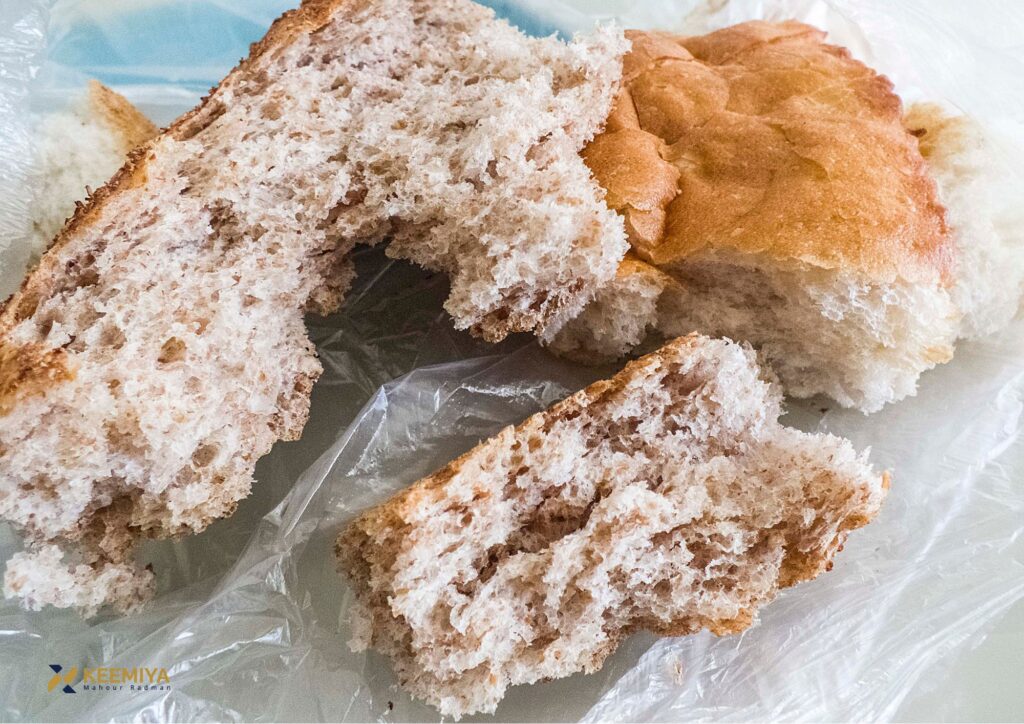
Contrary to popular belief, bread does not stale because it “dries out.” Staling is a molecular process involving starch — mainly the retrogradation of amylopectin.
What is Starch Retrogradation?
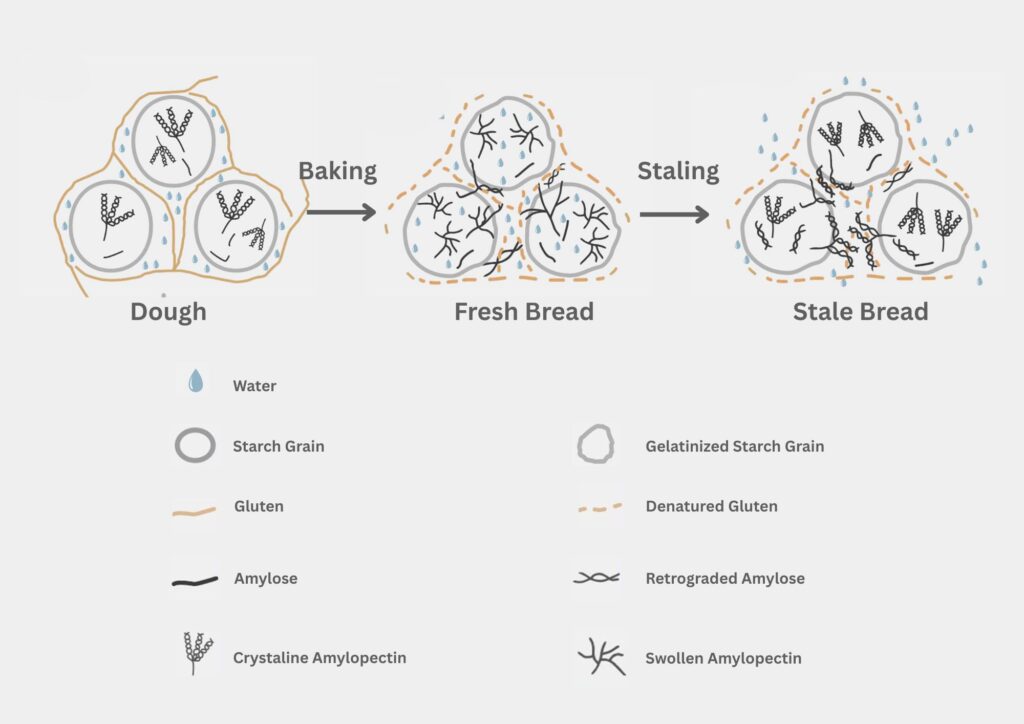
During baking, starch gelatinizes (absorbs water, swells, and loses crystalline order).
Once bread cools:
- Amylose retrogrades quickly (within hours),
- Amylopectin retrogrades slowly, forming crystalline regions over 24–72 hours.
This crystallization:
- Pushes out water from inside starch granules,
- Makes crumb firm, dry, and crumbly,
- Reduces elasticity and chewiness.
Retrogradation = the main cause of bread staling.
Because this is a re-crystallization process, normal storage conditions cannot reverse it.
Enzymes That Influence Staling & Freshness
Several amylases play different roles from dough mixing to fermentation to baking and cooling.
Let’s compare them scientifically.
Fungal α-Amylase (ECOENZYME-FAA) – The Fermentation Optimizer
Optimum temperature: 40–60°C
Thermal inactivation: ~70°C
Fungal Alfa Amylase breaks α-1,4 bonds inside starch (endo-action) and produces dextrins and maltose, it provides fermentable sugars for yeast, improves oven spring, loaf volume, and crust color, and slightly improves crumb softness, but not long-term freshness
It is fully active during mixing and proofing, partially active during early baking and Completely inactivated early (at above 70°C becomes denatured), because FAA is not active after the early baking phase, it cannot influence amylopectin retrogradation.
Bacterial α-Amylase (ECOENZYME-BAA) – The Softness Enhancer (High Temp)
Optimum temperature: 70–90°C
Thermal inactivation: 90–120°C (depending on formulation)
Bacterial alfa amyalse also breaks α-1,4 starch bonds, creating long dextrins, Improves crumb softness and delays staling but if excessively used can lead to sticky crumb, “wet gumminess,” collapsed structure.
Some of its activity persists much deeper into baking, even as crumb temperature reaches 98–100°C, but do not survive oven temperatures (180–240°C). They are only active inside the moist crumb (never exposed to 180°C directly). After baking, their activity is minimal. Once crumb cools to 40–60°C, any remaining active portion works briefly, then stops.
Maltogenic Amylase (ECOENZYME-MA) -The True Anti-Staling Enzyme
Optimum temperature: 60–70°C
Thermal inactivation: ~90–120°C depending on formulation
Maltogenic Amyalse cleaves terminal α-1,4 bonds (exo-action) producing maltose and maltotriose but slowly and specifically. It creates tiny dextrins that interfere with amylopectin retrogradation.
Maltogenic amylase modifies amylopectin branches so they cannot re-crystallize as easily. It reduces amylopectin chain length, weakens crystalline bondong, binds and holds water so keeps crumb soft, moist, and elastic for days.
Maltogenic amylase has a unique activity profile; it is active during late fermentation, active during baking until ~80–90°C inside the crumb and some active fraction may still work during cooling, because crumb cools from 100°C to 60°C gradually and MAA’s functional range overlaps with that cooling phase. Although denatured enzyme cannot re-activate, enough enzyme remains active during the cooling window to complete anti-staling modifications. So the result is 3–7 extra days of softness, depending on recipe.
Why Maltogenic Amylase Works When Others Don’t
| Enzyme | Effect on Fermentation | Effect During Baking | Anti-Staling Effect | Reason |
|---|---|---|---|---|
| Fungal α-Amylase | Strong | Early only | ❌ None | Inactivated too early |
| Bacterial α-Amylase | Moderate | Deep into baking | ⚠️ Limited | Makes dextrins but not targeted to amylopectin branches |
| Maltogenic Amylase | Moderate | Longest active phase | ⭐ Strong | Targets amylopectin structure & prevents retrogradation |
So Maltogenic Amylase is the best choice for shelf life becasue it prevents starch retrogradation which is the main cause of staling, it works at the right stage which is late baking and cooling stage, it creates dextrins that bind water, maintains crumb elastiicity and resilience and delivers predictable results without gumminess.
Conclusion
Bread becomes stale because amylopectin recrystallizes after gelatinization.
Traditional α-amylases help with fermentation and softness, but only maltogenic amylase directly interferes with the retrogradation process.
This makes maltogenic amylase (ECOENZYME-MA) the industry-standard enzyme for many types of bread and industrial baked goods.
If you want consistent softness, a moist crumb, and a longer shelf life, ECOENZYME-MA (maltogenic amylase) offers the most effective and targeted solution.