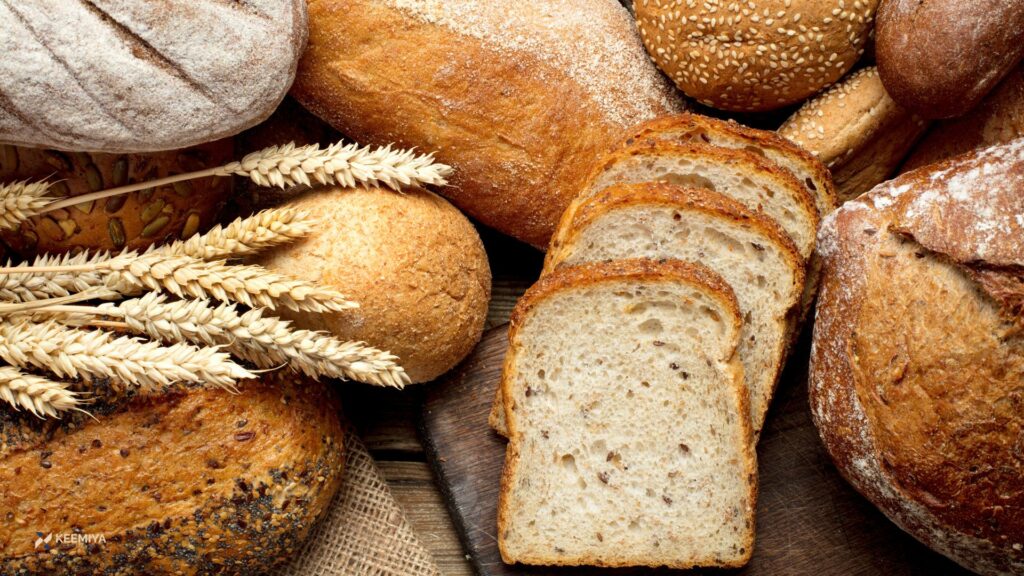
Behind every soft, fluffy loaf of bread or golden-brown croissant lies a powerful natural catalyst — amylase.
Amylases are enzymes that break down starch into smaller sugar molecules, providing essential fuel for yeast fermentation and helping bakers achieve consistent quality, volume, and flavor.
While wheat naturally contains some amylases, their quantity and activity vary — and this determines whether bakers must add extra amylase during dough preparation.
What Are Amylases?
Amylases are starch-degrading enzymes that hydrolyze the glycosidic bonds between glucose units in starch (amylose and amylopectin).
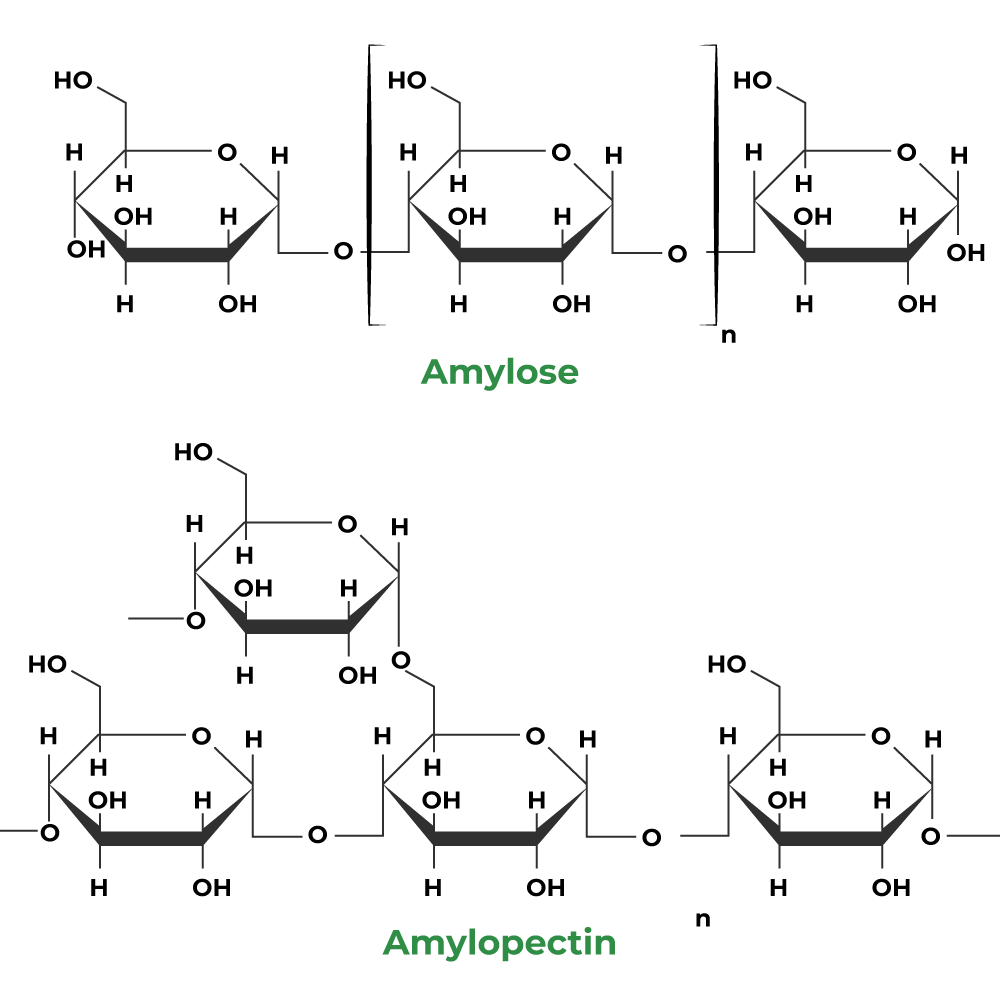
In simpler terms, they convert starch into fermentable sugars like maltose and glucose — the key energy sources for yeast in breadmaking.
There are several types of amylases found naturally in wheat or added industrially to flour, each with a specific action and purpose.
Natural Amylases Present in Wheat and Flour
During milling, only part of wheat’s enzyme content passes into the flour.
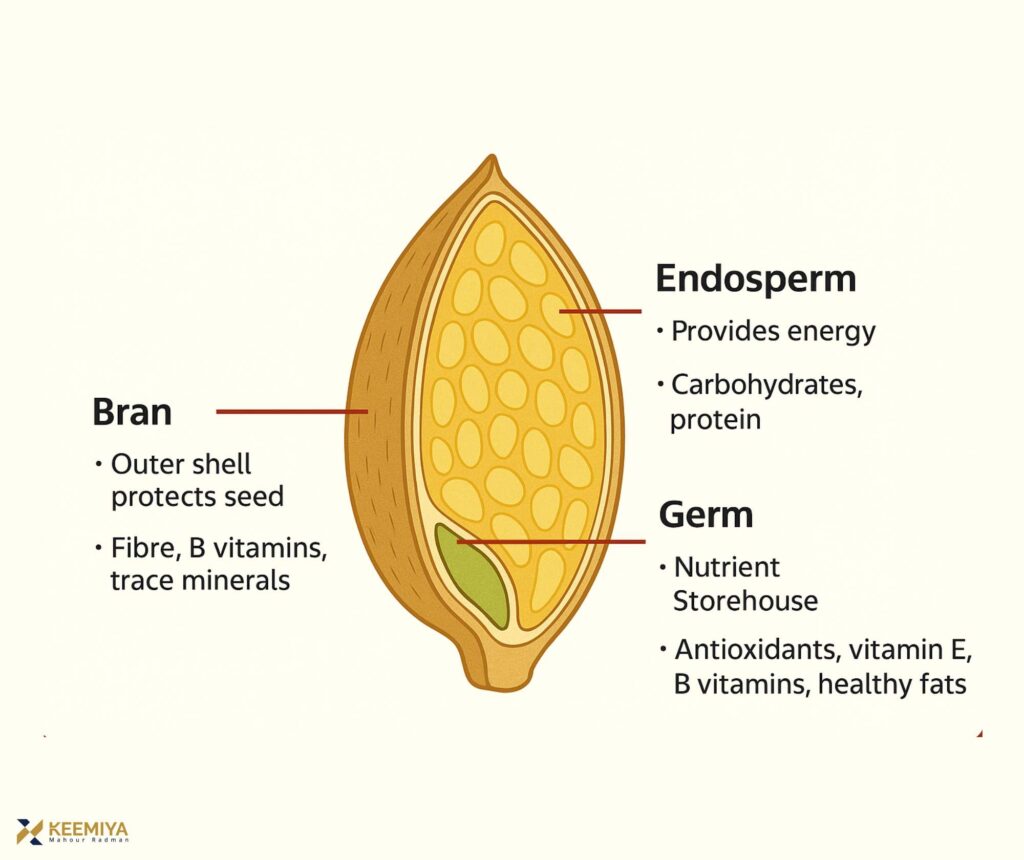
Here are the main natural amylases derived from the grain:
| Enzyme | Origin in Wheat Kernel | Function in Flour |
|---|---|---|
| α-Amylase (Alpha-Amylase) | Germ and Aleurone layers | Breaks internal α-1,4 bonds in starch to form dextrins and maltose; supports yeast fermentation |
| β-Amylase (Beta-Amylase) | Endosperm | Releases maltose units from the non-reducing ends of starch chains; provides fermentable sugars |
| Limit Dextrinase (Debranching enzyme) | Germ | Hydrolyzes α-1,6 bonds at branch points in amylopectin; enhances sugar release in malted flours |
However, the activity of these native enzymes depends heavily on wheat maturity and growing conditions.
When Natural Amylase Is Not Enough
Flour made from sound, non-sprouted wheat often contains too little α-amylase.
This leads to:
- Poor yeast fermentation
- Dense, heavy loaves
- Pale crusts
Bakers measure enzyme activity using the Falling Number (FN) test:
- High FN (>350 s) → Too little amylase (flour needs supplementation)
- Low FN (<200 s) → Excess amylase (sprouted wheat, sticky crumb risk)
That’s when added amylases become essential to balance enzyme activity.
Added Amylases in Baking and Their Functions
To standardize flour performance, millers and bakers often add purified or microbial amylases.
Each type has distinct characteristics and baking benefits:
| Enzyme Type | Source | Main Function in Baking |
|---|---|---|
| Fungal α-Amylase (ECOENZYME-FAA)(Aspergillus oryzae) | Fungal | Converts starch into maltose during fermentation; improves loaf volume, crust color, and crumb softness |
| Bacterial α-Amylase (ECOENZYME BA)(Bacillus subtilis, B. licheniformis) | Bacterial | Thermostable; used for anti-staling and extended softness in industrial bread |
| Maltogenic Amylase (ECOENZYME-MA) (Bacillus stearothermophilus) | Bacterial | Special anti-staling enzyme; hydrolyzes terminal α-1,4 bonds; keeps crumb soft and fresh longer |
| Glucoamylase (ECOENZYME-GA) | Fungal | Produces glucose for sweet bakery products; supports browning and flavor development |
How Amylases Work in Baking
1. Dough Mixing & Fermentation
- Amylases act on damaged starch granules to produce maltose and dextrins.
- Yeast consumes maltose, releasing CO₂ for dough expansion.
- Result: Improved loaf volume and porosity.
2. Baking (Heating Phase)
- Fungal α-amylase remains active up to ~70 °C, continuing to produce sugars.
- These sugars participate in Maillard reactions, giving a rich brown crust and desirable aroma.
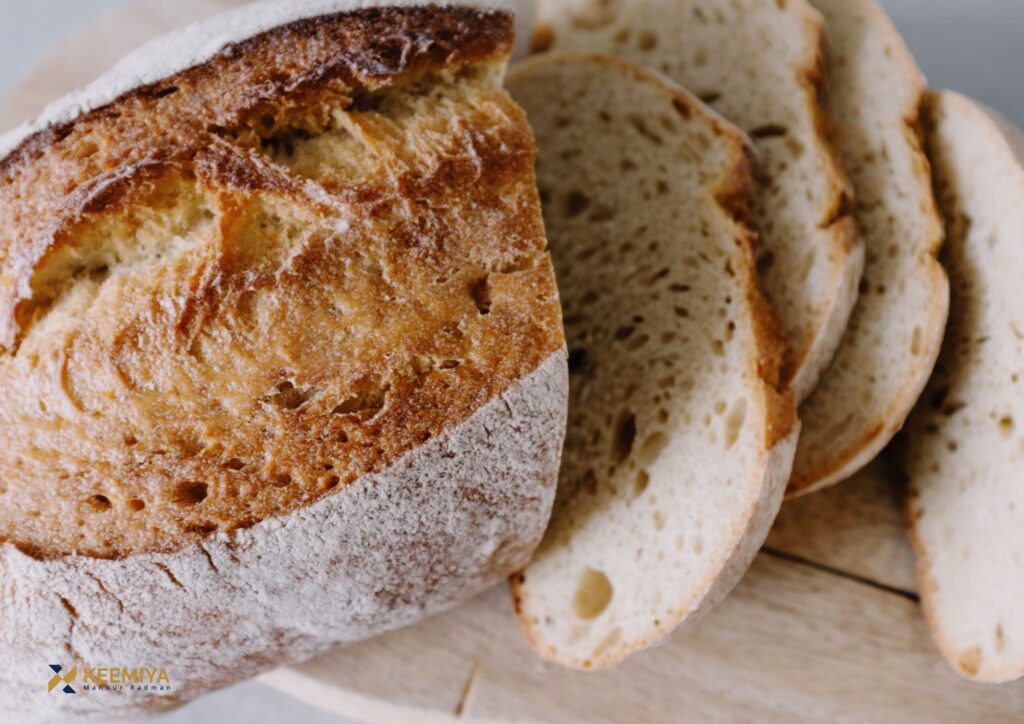
3. Post-Bake (Storage Phase)
- Maltogenic amylase continues mild starch hydrolysis during storage.
- This delays retrogradation of amylopectin — the main cause of bread staling.
- Result: Softer crumb and longer shelf life.
When and Why to Add Extra Amylase
You need to add amylase when:
- The Falling Number is too high (>300 s).
- Dough fermentation is slow or loaves appear dense or pale.
- You’re producing high-speed, industrial breads needing extended softness.
You should not add amylase when:
- The flour comes from sprouted wheat (already high enzyme activity).
- You observe sticky crumb or collapsed loaves (signs of over-amylization).
Summary
- Natural wheat amylases are essential but inconsistent.
- Fungal α-amylase (ECOENZYME-FAA) ensures reliable fermentation and color.
- Maltogenic amylase (ECOENZYME-MA) maintains long-term softness.
- The right balance of enzymes = perfect bread structure, flavor, and freshness.